
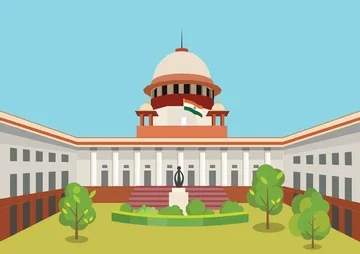
On February 19, 2025, Lok Sabha MP Mahua Moitra approached the Supreme Court to challenge the Election Commissioners’ Law, which she claims allows the executive (the government) to have undue influence over the composition of the Election Commission of India (ECI).
Moitra’s petition contests the legal provisions that grant the government significant power over the selection of election commissioners, including the Chief Election Commissioner (CEC), arguing that this undermines the independence and neutrality of the election process in India.
Key Points of the Petition:
- Concerns Over Government Influence: Moitra’s petition asserts that the law in place gives the executive (or ruling government) a disproportionate ability to influence the composition of the Election Commission, thus compromising its impartiality and autonomy.
- Removal of CJI from Selection Panel: One of the significant points raised in the petition is the removal of the Chief Justice of India (CJI) from the selection panel of the Election Commissioners. This, according to Moitra, reduces the checks and balances that are essential for ensuring fairness in the selection process and, by extension, the integrity of the Election Commission itself.
- Erosion of Democratic Processes: Moitra argues that the changes to the law may affect the fairness of elections, a critical aspect of democratic functioning. The Election Commission plays an integral role in ensuring free and fair elections, and any influence exerted by the ruling government can potentially affect the outcomes of electoral processes.
- Judicial Review: The Supreme Court will now consider Moitra’s plea for a judicial review of the Election Commissioners’ Law, which she believes allows the executive to interfere in the impartiality of the Election Commission.
Legal and Constitutional Implications:
- Separation of Powers: One of the fundamental issues at stake is the principle of separation of powers. Moitra’s plea seeks to safeguard the independence of the judiciary and the Election Commission, ensuring that their functioning remains free from political interference.
- Checks and Balances: The removal of the CJI from the selection panel is seen by some as a weakening of the system of checks and balances that has long existed to ensure fair and transparent elections. Moitra’s petition argues that without an independent judicial oversight mechanism, the Election Commission may become vulnerable to government influence.
What Happens Next?
The Supreme Court will now hear Moitra’s petition, which could have significant ramifications on the functioning of the Election Commission of India. The case will likely bring attention to the balance of power between the government and independent institutions within India’s democratic framework.
Significance of the Case:
- Protection of Democracy: The outcome of this case could reinforce or challenge the safeguards in place to protect the independence of the Election Commission and ensure fair elections.
- Impact on Governance: Depending on the ruling, the government may have to reconsider its approach to influencing the Election Commission, which could affect future electoral processes.
Conclusion:
Moitra’s plea raises significant concerns regarding the independence of the Election Commission of India and the potential risks posed by the executive’s influence over its functioning. As the case moves forward in the Supreme Court, the legal and political landscape surrounding India’s electoral processes could see important changes, further solidifying the importance of independent democratic institutions.