
Supreme Court Grants Permission for Petitioners to Approach P&H HC Regarding Car Parking Space in Green Belt
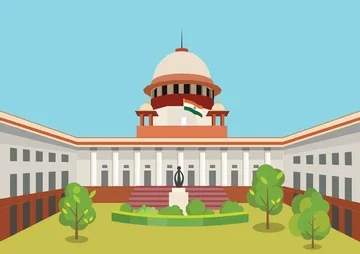
On February 19, 2025, the Supreme Court of India allowed petitioners to approach the Punjab and Haryana High Court (P&H HC) to raise their objections against the High Court’s decision to create a four-wheeler parking space in the green belt area of Chandigarh. The green belt, traditionally preserved for environmental and urban planning purposes, is a key feature of Chandigarh’s landscaping.
Background of the Case:
The matter stems from a February 7, 2025 order by the Punjab and Haryana High Court, which directed the creation of a parking area for four-wheelers within the city’s green belt. The move was aimed at easing traffic congestion and ensuring better parking facilities for those visiting the High Court.
However, this order sparked concerns from environmentalists, local residents, and urban planners, who argue that such a development would compromise the integrity of the green belt, which serves as a crucial space for biodiversity and maintaining ecological balance in urban areas.
The Petitioners:
The petitioners, including a senior architect and a Municipal Councillor from the Chandigarh administration, voiced their objections to this plan, citing potential environmental degradation and the long-term consequences of reducing green spaces in a rapidly urbanizing city. They contend that the green belt should be protected and utilized for its intended purpose rather than repurposed for parking facilities.
Supreme Court’s Ruling:
In a significant decision, the Supreme Court permitted the petitioners to approach the Punjab and Haryana High Court to formally challenge the order. The petitioners are now empowered to present their arguments and raise legal concerns regarding the environmental implications of the parking development.
The Supreme Court’s decision marks a critical point in balancing urban development with environmental preservation, a key concern in metropolitan areas like Chandigarh. This case could set a precedent for future legal battles involving land use and the protection of green spaces in urban planning.
What’s at Stake:
- Environmental Impact: The conversion of green belt land for parking could set a dangerous precedent for encroachment on environmentally sensitive areas.
- Urban Development vs. Sustainability: The decision will likely spark a broader debate about urbanization, development, and how cities can expand while maintaining ecological integrity.
- Legal Precedent: The case could lead to important rulings on urban development laws and the protection of open spaces.
What’s Next:
The matter will now be taken up by the P&H High Court, where further proceedings will determine whether the green belt area should be repurposed for the parking space or whether other alternatives can be explored that align with the environmental concerns raised by the petitioners.
This case will undoubtedly have significant implications for how cities balance the demands of development with the need for ecological preservation. The decision by the Supreme Court to allow the petitioners to approach the P&H HC for further legal action underscores the importance of ensuring that future urban planning decisions take into account the broader social and environmental impacts.
Stay Updated:
This case is an ongoing legal matter that could shape the future of urban planning and environmental laws in India. For updates and further details, stay tuned to reliable news sources and legal commentary.
Read the full article here:
🔗 Supreme Court Allows Petitioners to Approach P&H HC